
On June 6, 2025, the Reserve Bank of India (RBI) announced a major monetary policy change that could significantly affect homebuyers across the country. The central bank reduced the repo rate by 50 basis points, bringing it down from 6.00% to 5.50%, and also cut the Cash Reserve Ratio (CRR) from 4% to 3%. This marks one of the most aggressive easing policies in recent times, designed to revive credit demand and spur economic activity.
But what does this mean for someone planning to buy a home? Will EMIs go down? Will housing become more affordable? And what should existing borrowers or first-time homebuyers do now? This blog breaks down the impact of this decision and its implications for different stakeholders in the Indian real estate ecosystem.
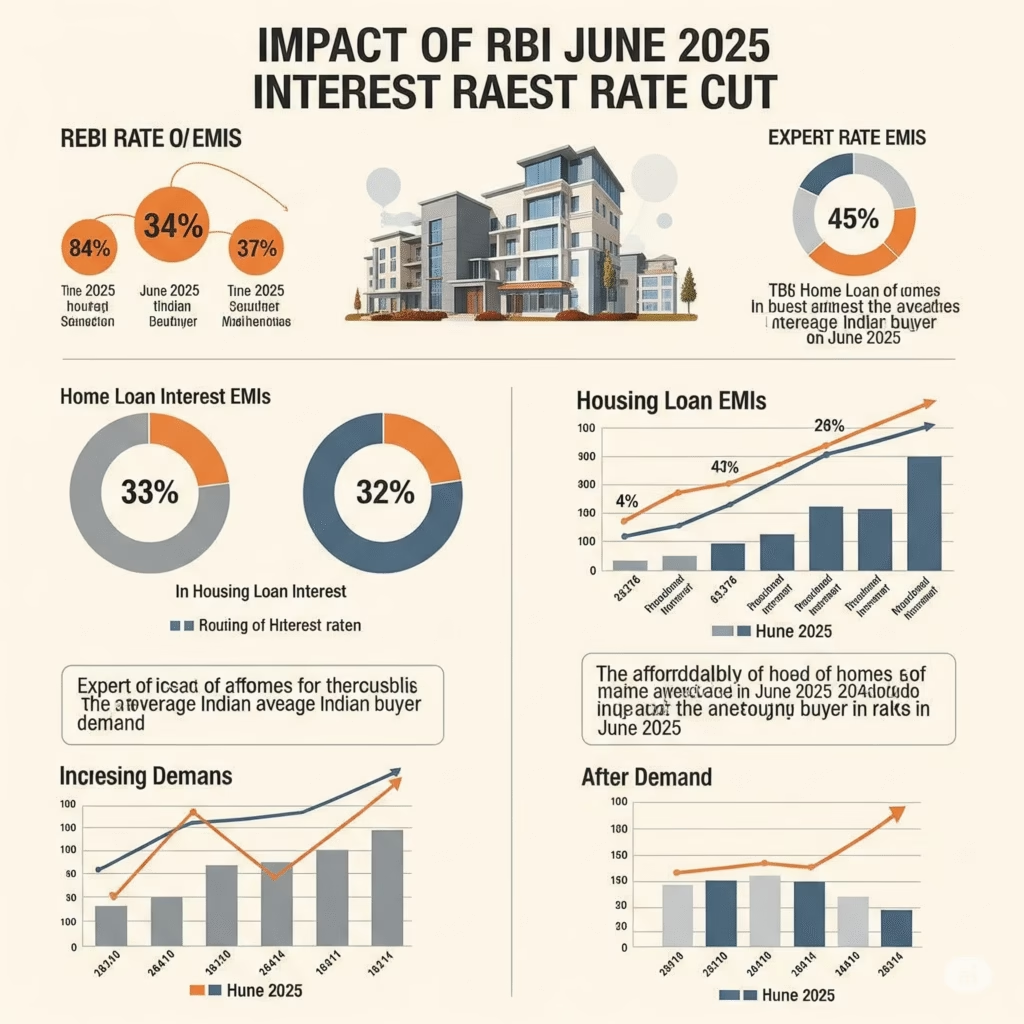
Why Did the RBI Cut Rates?
1. Cooling Inflation
One of the primary reasons behind the rate cut is the significant drop in retail inflation. In April 2025, inflation stood between 3.2% and 3.7%, well below the RBI’s 4% target. With price stability under control, the central bank found room to stimulate growth without triggering inflationary risks.
2. Economic Stimulus
The global economic environment has been uncertain due to geopolitical tensions, trade disruptions, and fluctuating crude oil prices. To protect the domestic economy and encourage investment, the RBI has shifted focus to stimulate demand through lower interest rates and increased liquidity.
3. Supporting Key Sectors
Sectors like real estate, auto, and manufacturing rely heavily on financing. The repo and CRR cuts are meant to lower borrowing costs, improve credit availability, and drive consumption in these areas.
Impact on Homebuyers
1. Lower EMIs for New and Existing Loans
The most direct impact of a repo rate cut is a reduction in the interest rates offered by banks and housing finance companies. Since most home loans are now linked to external benchmarks (such as the RBI’s repo rate), this cut can translate into lower monthly EMIs or shorter loan tenures.
Example:
For a ₹50 lakh loan with a tenure of 20 years:
- Before rate cut (8.5%): EMI ≈ ₹43,256
- After 50 bps cut (8.0%): EMI ≈ ₹40,092
- Monthly saving: ₹3,164
This is a substantial saving that can either increase a buyer’s purchasing power or help manage household expenses better.
2. Improved Affordability for First-Time Buyers
Lower EMIs mean that more individuals, especially in the middle-income and lower-income segments, may now qualify for home loans. This opens the door for first-time buyers to consider purchasing property, especially in affordable housing segments supported by government schemes such as PMAY (Pradhan Mantri Awas Yojana).
Banks and lenders are also likely to offer competitive deals to capture this emerging demand, including lower processing fees and bundled insurance plans.
3. Opportunity to Refinance Existing Loans
For borrowers who already have a home loan with a fixed interest rate or a loan not directly linked to the repo rate, this might be a good time to consider refinancing.
Switching to a floating rate linked to the repo can result in significant savings over time. However, it is essential to factor in foreclosure charges, new processing fees, and balance transfer costs before making the switch.
Impact on Real Estate Developers
1. Lower Borrowing Costs
Just like homebuyers, developers also benefit from lower interest rates. Reduced borrowing costs allow developers to fund new projects more easily and complete ongoing ones faster. This can lead to:
- Increased project launches in affordable and mid-range housing.
- Shorter construction timelines.
- Better financing options passed down to buyers.
2. Enhanced Market Sentiment
When the cost of borrowing drops, the real estate sector generally sees a revival in sentiment. Developers can attract more customers with EMI subvention schemes and attractive payment plans. Many developers may also partner with banks to launch special loan offers that sync with the new repo rate.
Impact on Real Estate Markets
1. Affordable Housing to See Strong Demand
The rate cut will likely have the biggest impact on affordable and mid-income housing. These segments are highly price-sensitive, and a fall in EMIs can act as a major trigger for buyers.
Government push for “Housing for All” and growing urban migration continues to support demand in this category. With interest rates dropping below 8%, many fence-sitters may now make their first home purchase.
2. Tier-II and Tier-III Cities to Gain Momentum
While metros have seen a saturation of inventory and rising prices, smaller cities like Indore, Lucknow, Jaipur, and Nagpur are expected to benefit more from this rate cut.
With better infrastructure, growing job markets, and now cheaper loans, Tier-II cities offer great investment opportunities for both end-users and investors.
What Should Homebuyers Do Now?
1. Compare Loan Offers
Banks will revise their loan rates in the coming weeks. This is a good time to compare interest rates, processing fees, and foreclosure policies across lenders. Use home loan calculators to assess EMI scenarios and choose wisely.
2. Check Your Loan Type
If you already have a home loan:
- If it’s floating, you may automatically benefit from the rate cut.
- If it’s fixed, consider whether refinancing to a floating rate will save you money.
3. Evaluate Total Cost of Ownership
While a lower EMI is attractive, do not rush into a purchase solely based on this. Evaluate all aspects—down payment, location, builder reputation, legal clearances, maintenance costs, and property taxes.
Broader Economic Implications
1. Increase in Credit Flow
The CRR cut will release more liquidity into the banking system, which means banks will have more funds to lend. This not only benefits home loans but also improves credit flow across the economy, encouraging consumption and investment.
2. Stock Market Response
Real estate stocks responded positively to the announcement. Leading developers saw a rise in their share prices as investors expected a demand boost in the coming quarters.
3. Limited Window for Further Cuts
The RBI has now shifted its stance from “accommodative” to “neutral,” which suggests that future rate cuts may not happen unless economic conditions worsen. Therefore, this could be the best time for buyers to act and lock in better deals.
Conclusion
The RBI’s June 2025 rate cut is a strategic move aimed at reviving economic momentum and boosting sectors like real estate that are sensitive to interest rate changes. For homebuyers, this translates into lower EMIs, improved affordability, and a wider range of financing options.
Whether you’re planning to buy your first home, invest in real estate, or refinance an existing loan, the current monetary environment offers a unique window of opportunity. However, as with any financial decision, careful planning, market research, and consultation with professionals are crucial before taking the next step.
Have questions or need help comparing home loan options? Let me know — I can help you calculate EMI savings, compare bank rates, or even draft property listings for your real estate business.